Mushrooms are no longer just side dishes. They’re everything: drinks, soups, supplements, and pantry staples. From mushroom coffee that rivals green tea to hearty soups and nutrient-packed powders, fungi have pushed their way into everyday kitchens and wellness routines.
This guide is your shortcut:
- How mushroom coffee compares to regular brews and teas.
- When it’s safe (or unsafe) to drink—fasting, pregnancy, periods, or kids.
- The smartest ways to cook, freeze, and store mushrooms without waste.
- Soups that actually showcase mushrooms instead of hiding them.
- What nutrition science says about antioxidants, protein, and bioactive compounds.
First, What Are These Mushrooms in the Drinks?
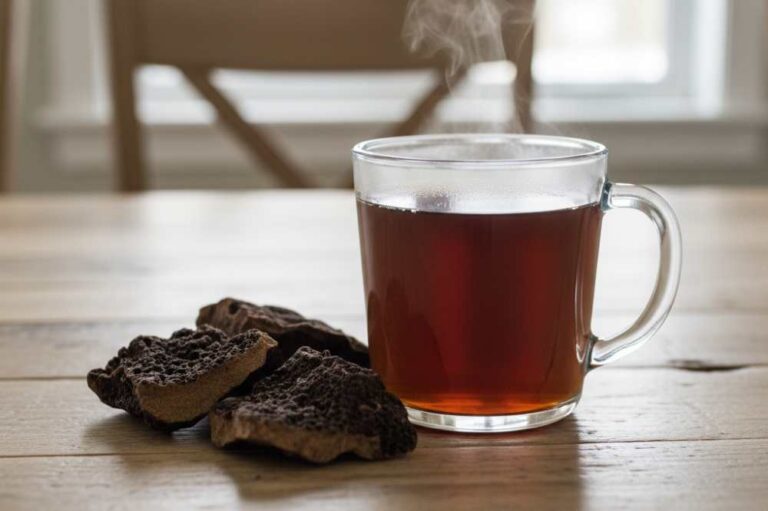
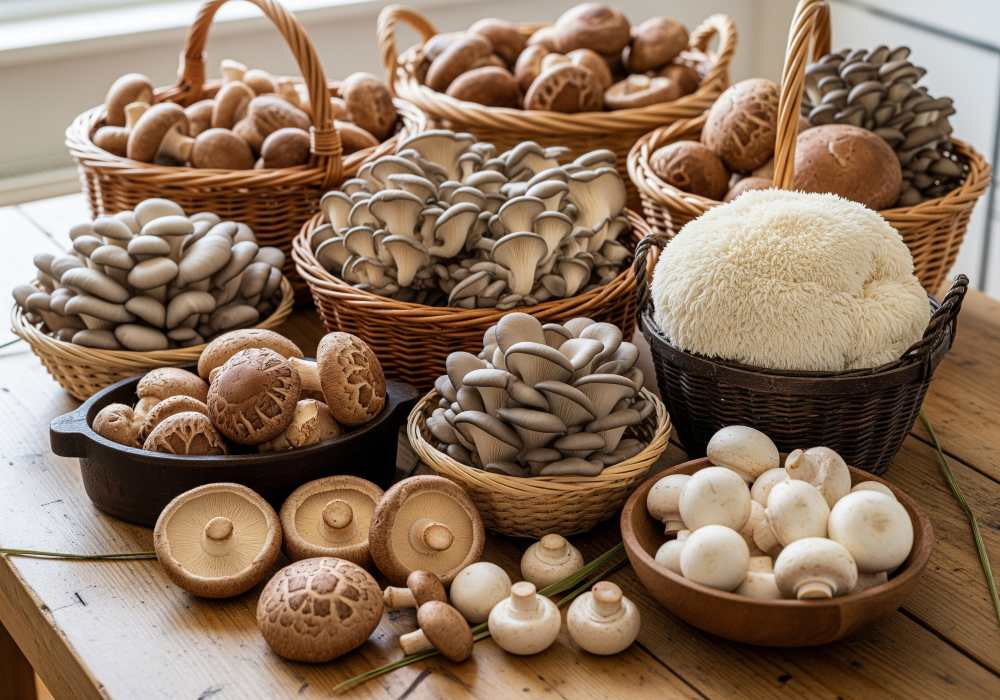
When most people hear mushroom coffee or mushroom tea, they think of something odd or maybe even gimmicky. But we’re definitely not talking about adding button mushrooms into a latte. What actually goes into these drinks are functional mushrooms—species like reishi, lion’s mane, cordyceps, or chaga. They’ve been dried, extracted, and powdered so their bioactive compounds survive in hot water.
The essential elements in these mushrooms are beta-glucans (immune-supporting fibers), triterpenoids (linked to stress response), ergothioneine (a rare antioxidant), and polyphenols (plant-like compounds known for reducing oxidative stress).
The method of extraction matters here. Hot water extraction tends to pull out polysaccharides like beta-glucans. In contrast, dual extraction (alcohol and water) captures fat-soluble compounds such as triterpenes.

Research shows functional mushrooms have prebiotic potential for gut health. It offers neuroprotective support when used regularly in the diet.
I like to stay realistic. It can only enrich a lifestyle, not replace good sleep, balanced meals, or clinical treatment when needed.
Mushroom Coffee and Green Tea Comparison
As we know, Mushroom coffee is made by blending ground coffee beans with extracts from medicinal mushrooms like lion’s mane, chaga, or reishi. Compared with green tea, Green tea is lighter in caffeine than coffee, yet it brings its own bioactive edge through L-theanine. This amino acid promotes calm alertness.

Some also try mixing mushroom coffee with regular coffee. That can certainly increase caffeine consumption.
Is Mushroom Coffee Also Acidic and Hard On Teeth?
To some extent, yes.
When we talk about acidity in coffee, there are two measures at play: pH and titratable acidity.
Most mushroom coffees do have a slightly higher pH (closer to neutral), making them easier on the stomach. But if you brew a strong cup of dark roast, even without mushrooms, it might feel gentler than a lightly roasted bean, because roasting reduces acid content. In other words, the roast and brew strength matter just as much as the mushroom powder.

Now, teeth. Coffee stains happen because of chromogens (pigments that stick to enamel), tannins (which make enamel more porous), and the time the liquid sits in your mouth.
Timing & Tolerance: Night, Fasting, Periods, Hydration
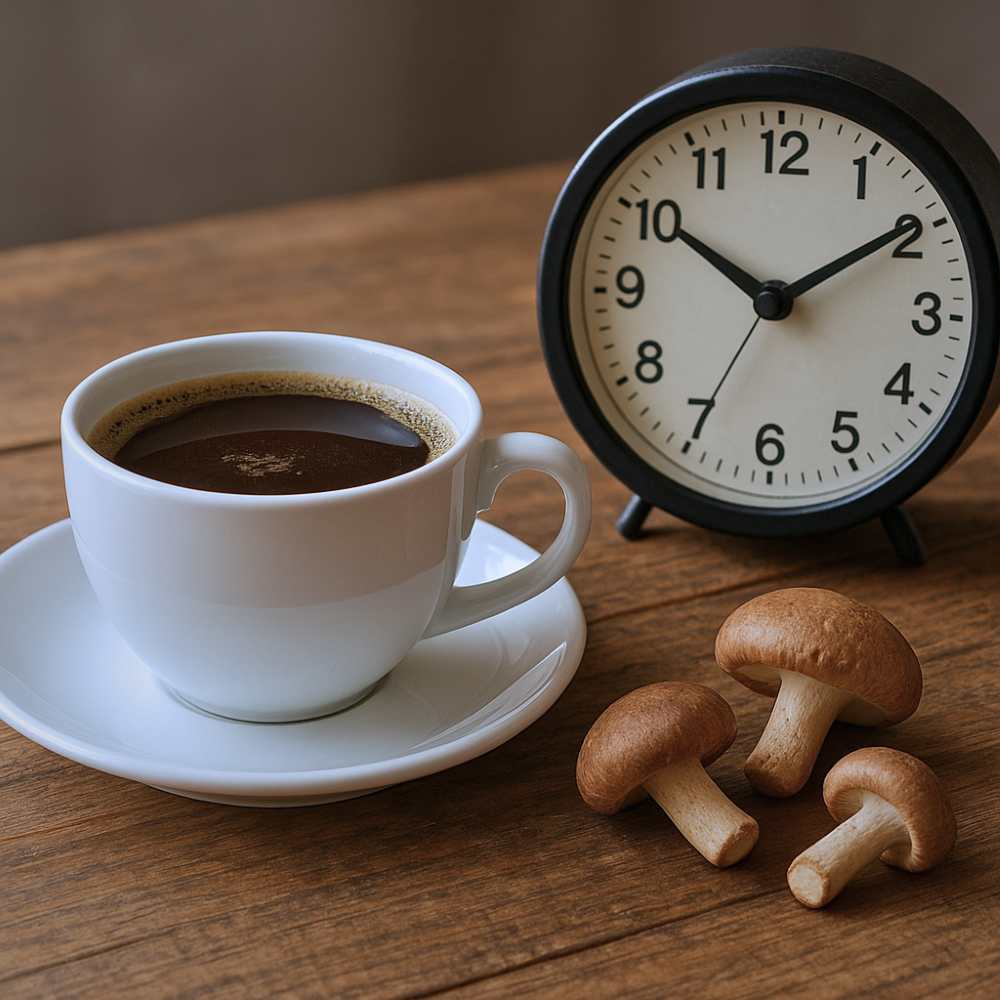
One overlooked aspect of mushroom coffee is timing. When you drink it, it can matter almost as much as what’s in it.
At night, caffeine is the obvious problem. Even though mushroom coffee is typically lower in caffeine than a full-strength cup, it can still disrupt sleep if you’re sensitive.
During fasting, plain mushroom coffee usually doesn’t break the fast. It’s virtually calorie-free and won’t trigger insulin in meaningful ways. But the moment you add cream, sugar, or flavored syrups, you’ve broken your fast.
Periods bring a different challenge. Many women are more sensitive to bloating, stomach irritation, and fatigue during that time. Mushroom coffee, being gentler on the stomach, can be easier than regular coffee.
And then there’s hydration. People often think coffee dehydrates you, but research shows moderate amounts are still hydrating overall. The risk of dehydration comes from too much caffeine paired with not enough water.
Safety First: Pregnancy, Breastfeeding, Meds, and Kids
For pregnancy and breastfeeding, the primary issue isn’t just the caffeine – it’s the mushroom extracts themselves. These powders often come from species like reishi, lion’s mane, and cordyceps, which haven’t been studied extensively in pregnant or nursing women. Medical guidance already recommends keeping daily caffeine intake under strict limits.
For kids, the simplest answer: mushroom coffee is not for them. Children don’t need added caffeine, and the research on functional mushrooms in young people isn’t there.
Results You Can Expect (and Not Expect)
Mushroom coffee doesn’t directly make the body burn more calories or fat. It can help in indirect ways: replacing high-calorie coffee drinks (loaded with syrups and cream) with a lighter mushroom brew cuts excess calories.
Caffeine is still the best choice for focus and energy. Mushroom coffee moderates that caffeine effect, offering a smoother experience with less caffeine crash. Lion’s mane mushroom has been studied for its potential neuro-supportive compounds. Still, those findings are early and based on supplements, not your average morning cup.
The ADHD claims are the most misleading. There’s no credible evidence that mushroom coffee treats ADHD. While caffeine can help with attention for some people, that’s not the same thing as medical management.
FODMAPs & Your Gut: Canned vs Fresh, Species Matters
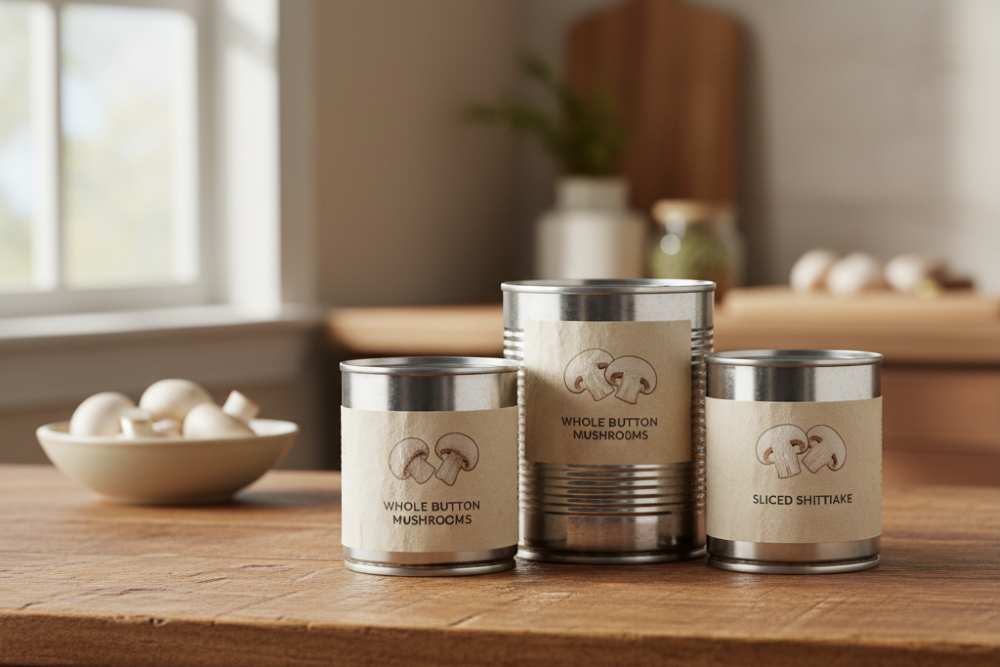
Canned mushrooms often end up being lower in FODMAPs than fresh ones. Why? Because mannitol leaches into the liquid during processing, and when you drain and rinse the can, a big chunk of it goes down the sink. That’s why Monash University (the leaders in FODMAP research) lists canned button mushrooms as safer in small portions, while fresh buttons can be problematic even in small amounts.
This is where mushroom coffee becomes appealing too. Most mushroom coffee blends use extracts, which contain very little of the whole mushroom fiber that triggers FODMAP issues. For some people with IBS, that means enjoying a mushroom-based drink without the usual digestive gamble.
Steamed mushrooms also fit neatly into a low-FODMAP framework, since you can control the portion size and use species like oyster mushrooms, which are easier on the gut.
Soup Hub: Buildables & Classics
What makes mushroom soups so versatile is that they can be creamy and comforting, or light and restorative, depending on the base you pair them with. Instead of trying to force them all into one recipe, I think of soups as a hub-and-spoke system: you master a few base techniques, then branch out into endless variations.
The creamy family is where mushrooms often get the spotlight. A butternut squash and mushroom soup is naturally sweet and earthy, while a mushroom bisque makes things rich and velvety. Then there’s the elegant golden mushroom soup, where turmeric or saffron gives color and complexity without drowning out the fungi’s flavor.
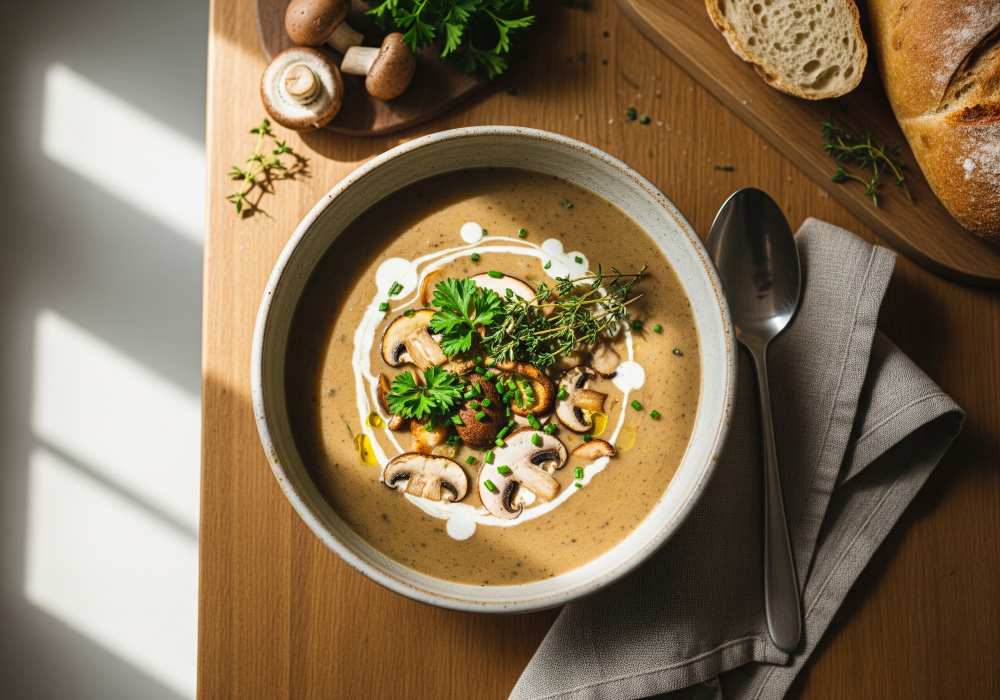
On the lighter side, mushrooms hold their own in broths. A mushroom egg drop soup is quick, nourishing, and packed with protein. A tomato and mushroom soup blends tangy and savory in a way that feels hearty without cream. And for something hearty yet still clean, a mushroom lentil soup balances fiber and earthiness in one pot.
Finally, there are the signatures: truffle mushroom soup for special occasions, mushroom soup with Marsala wine when you want depth and a touch of indulgence, and even mushroom powder soup for those days when the pantry saves dinner.
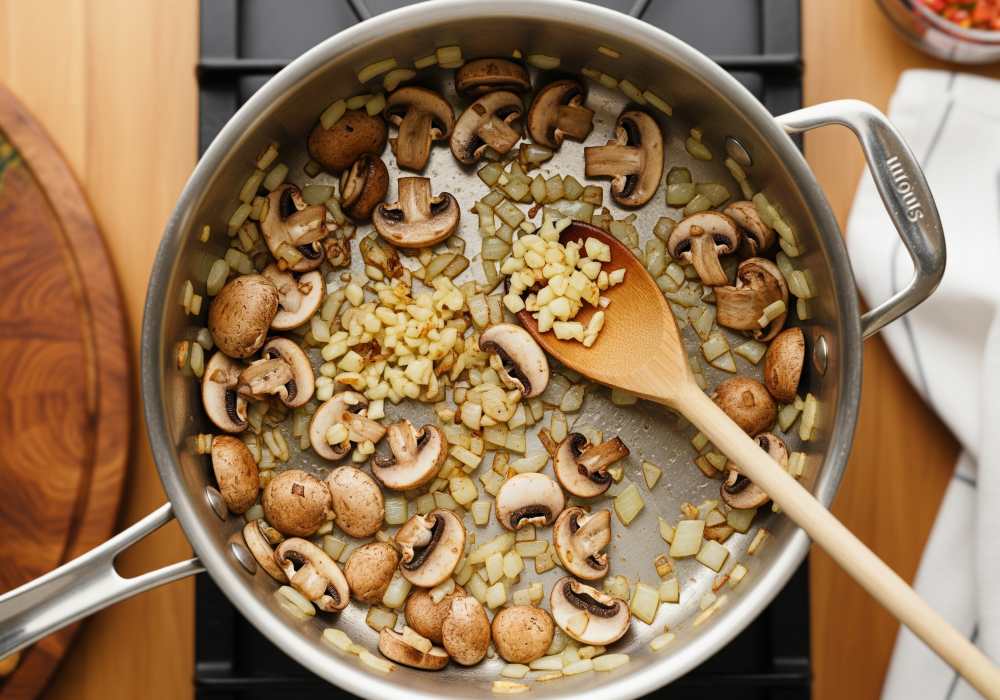
Each of these deserves its own detailed recipe (linked out), but the core method stays the same:
- Sweat aromatics like onion or leek in fat.
- Add your mushroom of choice, letting it brown.
- Layer in liquid (stock, wine, coconut milk, or tomato).
- Finish with herbs, acids, or dairy/alternatives.
Things like zucchini and potato can also be interesting additions in the soup category.
Why Mushrooms’ Nutritional Profile Is So Rich?
When you break down mushrooms nutritionally, it’s surprising how much they deliver for so few calories. They’re nutrient-dense foods that stand out across several categories.
Mushrooms are one of the rare foods that naturally contain ergothioneine and glutathione, compounds often called master antioxidants because they protect cells from oxidative stress. Research shows that edible and medicinal mushrooms hold strong antioxidant potential, especially when regularly included in the diet.
On the protein front, mushrooms don’t compete with meat gram-for-gram, but they still offer a respectable boost compared to most vegetables. They also bring unique amino acids and umami nucleotides (like guanylate), which make plant-based meals taste more satisfying without extra salt.
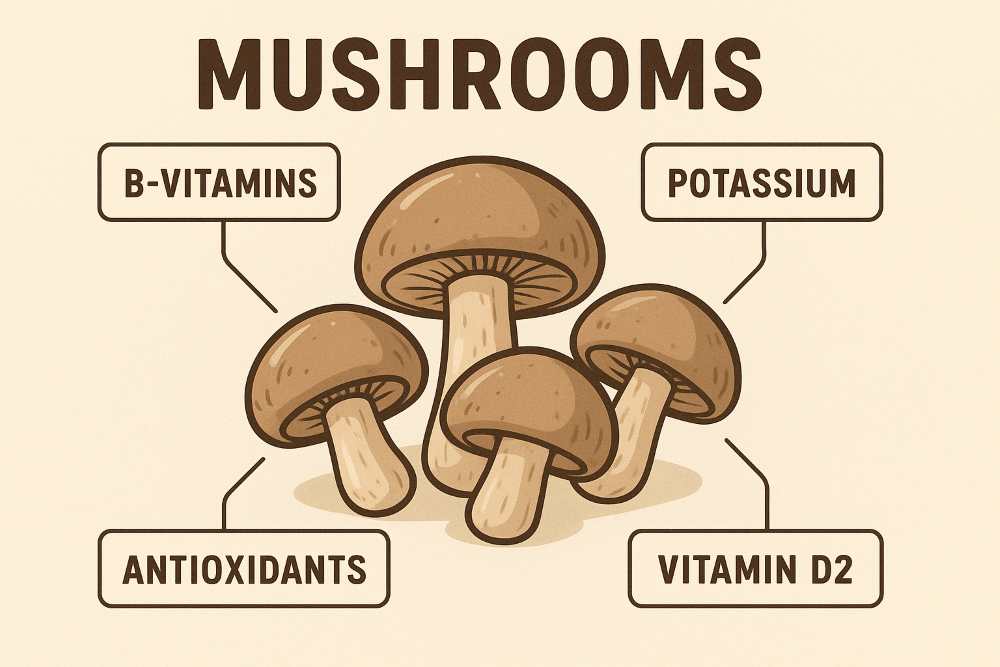
Micronutrients are another strong suit:
- B-vitamins (riboflavin, niacin, pantothenic acid) support energy metabolism.
- Potassium helps balance fluids and blood pressure.
- Vitamin D2 is available in mushrooms exposed to UV light—it’s worth checking the labels if you want a natural plant-based source.
What makes them particularly interesting for food science is their potential as functional ingredients. Studies highlight mushrooms as ideal in low-calorie, protein-forward formulations, because they deliver flavor without excess fat or sugar. That’s why you see them in everything from burger blends to protein powders.
Also, raw mushrooms contain chitin, a tough fiber in their cell walls. Humans can’t digest chitin easily, so nutrients locked inside aren’t fully accessible unless you cook them. So make sure to cook them properly.
Can You Freeze, Store, and Powder Mushrooms?
Yes, you can. With the right approach, you can freeze, store, and even powder them without losing value.
For short-term storage a paper bag in the fridge keeps them fresh for 3–4 days. Avoid plastic as it traps moisture and speeds up spoilage.
Freezing works too, but not raw. Before freezing, mushrooms should be pre-cooked (sauted or steamed); otherwise, they turn mushy. Powdering is where mushrooms become a true pantry weapon. Dried mushrooms ground into a fine powder act as a flavor amplifier.